




Waking up tired isn’t just about how many hours you sleep. Learn what disrupts your sleep, how sleep stages work, and what you can adjust to recover better.
A night’s sleep can be affected by a range of easily overlooked factors: irregular bedtimes, breathing disturbances, stress, late-day caffeine, alcohol, or an overheated bedroom. In these situations, sleep tends to be lighter and more fragmented. The number of micro-awakenings increases, some of which we may not even remember. Deep sleep and REM segments can also become shorter. The result is that we wake up tired, even after a seemingly full night’s sleep.
Waking up tired? Check your sleep with Aidlab
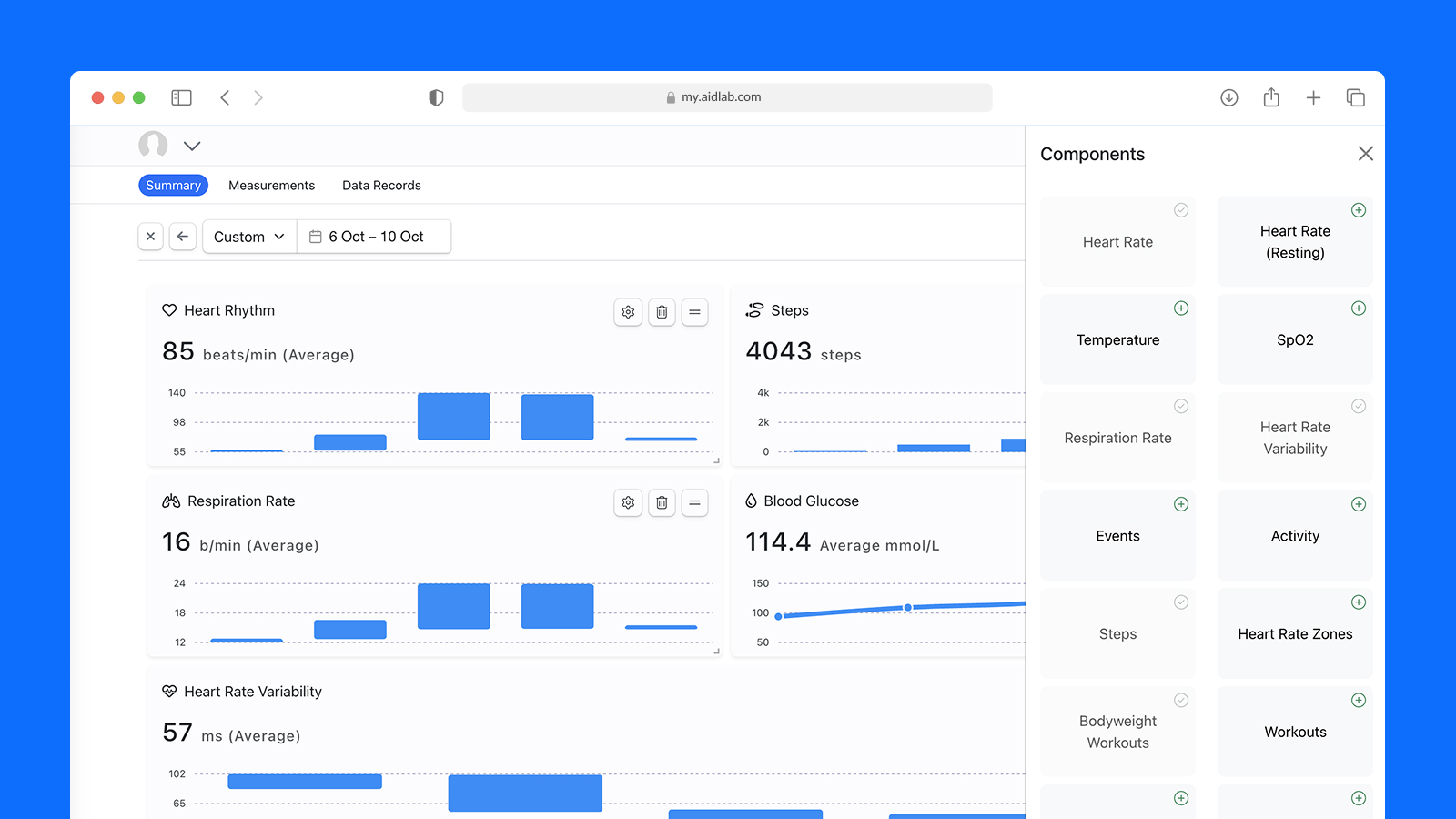
Track sleep stages, breathing, and HRV from the chest — then compare a few nights to see what actually changes your recovery.
Learn MoreSleep: the foundation of health
At night, the body activates many mechanisms essential for proper functioning. Sleep supports physical recovery, stabilizes the nervous system, helps regulate mood, and benefits immunity and cognitive performance. When sleep is insufficient, these processes operate less efficiently, often resulting in lower energy and poorer daytime functioning.
How much sleep do we need?
For most adults, the recommended sleep duration is 7–9 hours, although the optimal amount differs between individuals. With age, average sleep time often shifts toward 7–8 hours, while sleep tends to become lighter and more easily disrupted.
In practice, duration is only one dimension. Regularity and continuity matter just as much, because even brief awakenings can impair recovery. That’s why sleep analysis looks beyond total time and considers the overnight profile, overall structure, and the proportions and transitions between stages.
Sleep stages in practice
We usually break the night down into three stages:
- Light sleep — usually makes up the largest share of the night; the stage in which brief awakenings are most likely.
- Deep sleep — particularly important for physical recovery and overall physiological calming.
- REM — associated with brain functions such as emotional processing, learning, and memory consolidation.
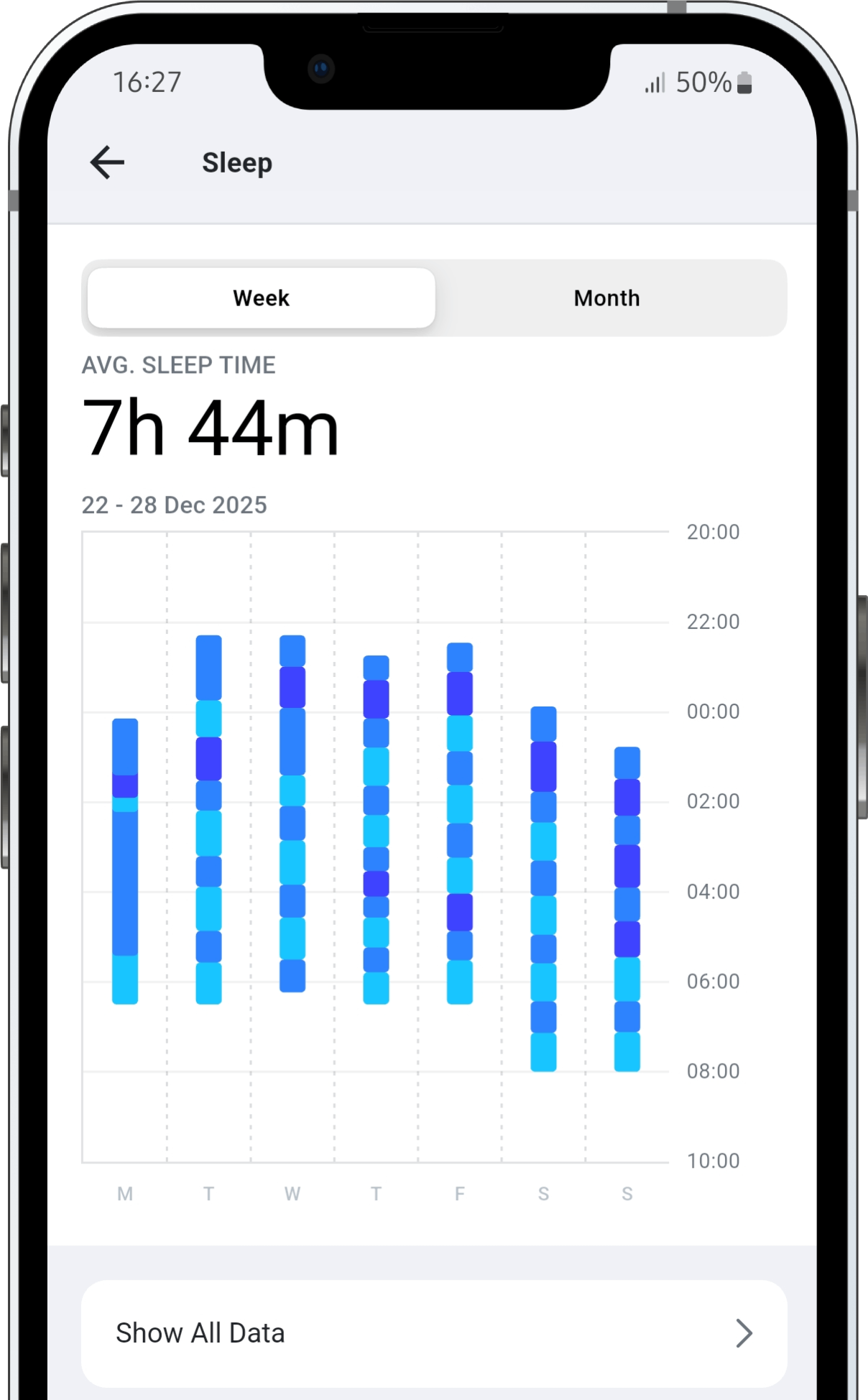
In a healthy adult, sleep is typically organized into cycles lasting about 90–110 minutes, moving through NREM (from light to deep) and REM. Deep sleep tends to dominate the first part of the night, while REM becomes more prominent toward morning. A few short awakenings between cycles are common and don’t necessarily indicate a problem.
It’s also worth remembering that sleep naturally varies from night to night. A single recording may not be representative — that’s why it’s most useful to observe several consecutive nights and look for a consistent pattern.
How sleep stage analysis works
From a scientific perspective, the gold standard for sleep-stage classification is measurement of brain activity (EEG). In home settings, this is usually not available, so wearable devices estimate sleep stages using indirect physiological signals.
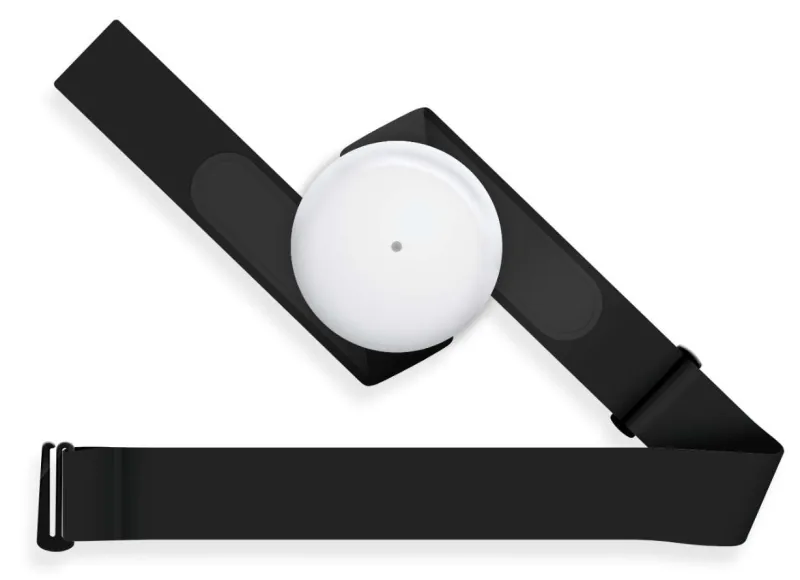
At Aidlab, we base sleep staging on biosignals captured from the chest:
- ECG-derived features (heart rate and heart rate variability),
- breathing features (rate and pattern) from chest impedance,
- movement and body position from an accelerometer.
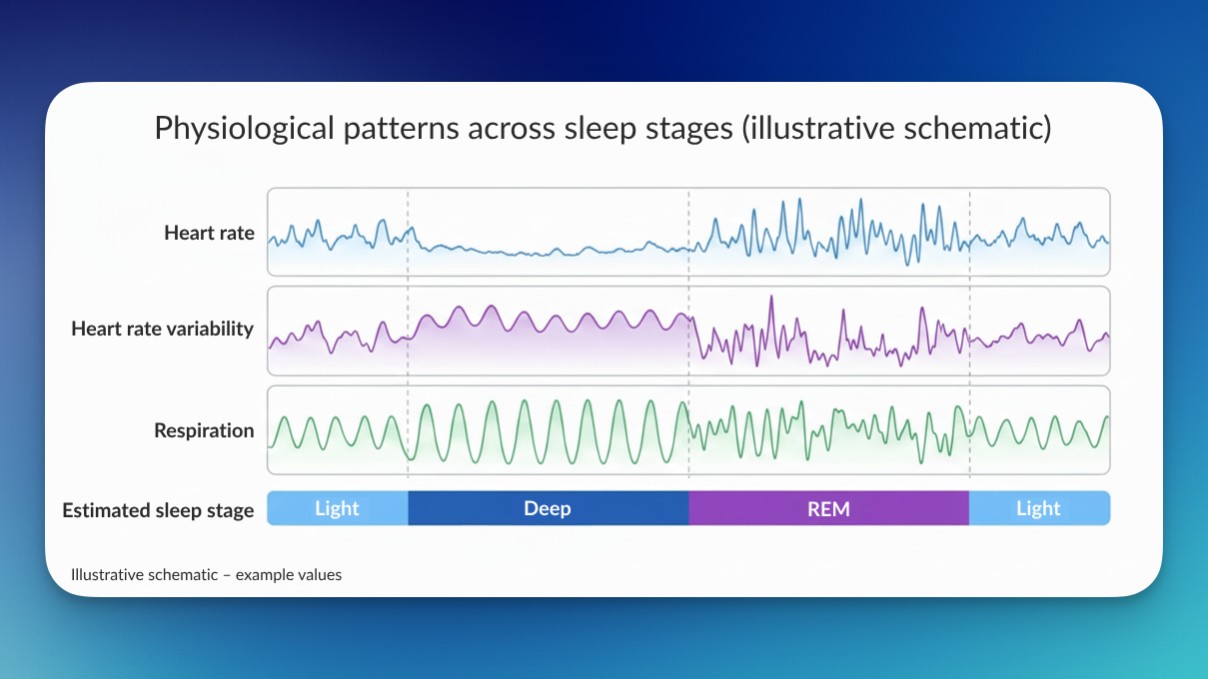
Using these inputs, the algorithm reconstructs the overnight sleep profile and assigns the most likely stage to each segment.
For example, deep sleep typically reflects overall physiological settling: breathing becomes more stable, movement decreases, and heart rate becomes steadier. In REM, heart rate and breathing can be more variable, even when the body remains still.
What to adjust for better sleep
The biggest improvements usually come from things that affect sleep continuity and structure:
- Keep a consistent sleep schedule (wake time matters as much as bedtime).
- Avoid late-day caffeine and reduce alcohol in the evening.
- Optimize your bedroom: cool, dark, quiet.
- If you suspect breathing issues (snoring, pauses), consider screening and improving nasal/airway comfort.
- Reduce late-night activation: light, screens, intense workouts, and stress.
To draw meaningful conclusions, test one change at a time and compare several consecutive nights. That makes it easier to distinguish an occasional bad night from a repeatable pattern.