

Form factor
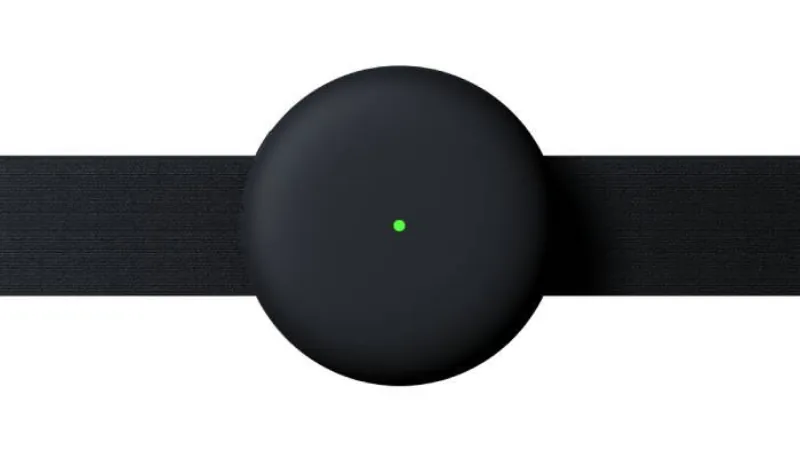
Aidlab 2
Reusable chest module attached to an electrode strap
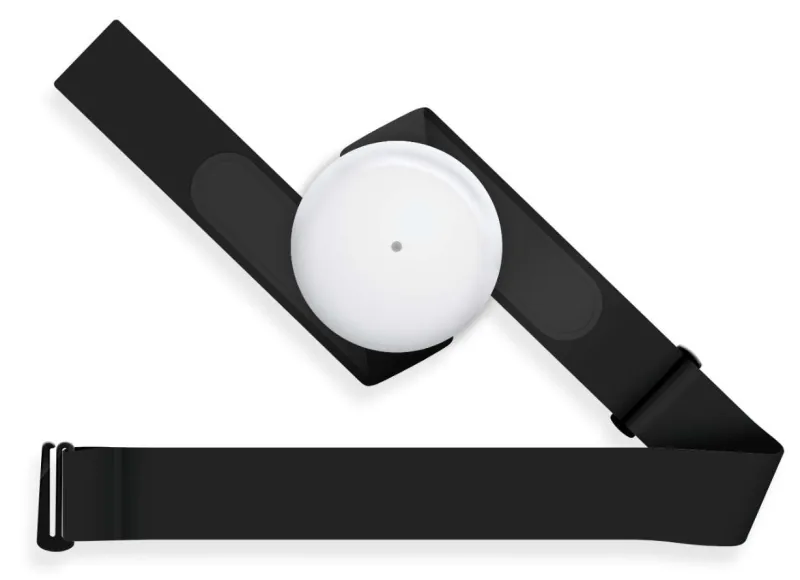
BIOPAC BioHarness
Zephyr BioModule attached to a sensorized BioHarness strap or garment
BIOPAC BioHarness combines raw ECG, breathing, RR intervals, posture, acceleration, and local logging in a strap-and-BioModule system. Aidlab 2 adds EDA, skin temperature, 9-axis motion, microphone, and GNSS to its ECG and chest-respiration workflow.
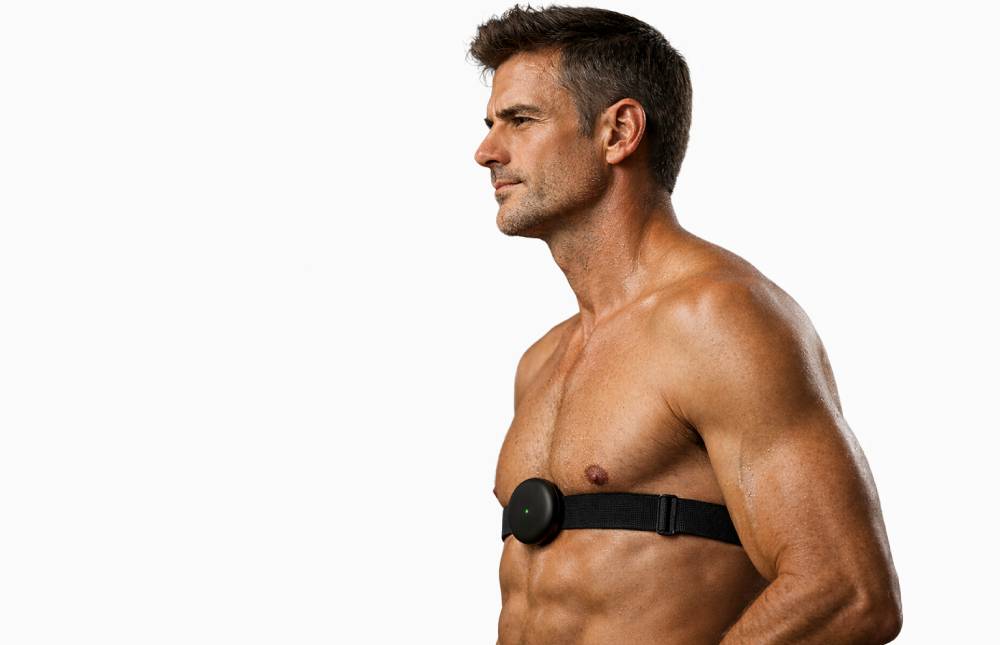
Zephyr BioModule used with a sensorized BioHarness strap or garment
This decision guide is Aidlab's interpretation of the documented capabilities below, not a controlled head-to-head result.
Aidlab 2 prioritizes a compact multimodal sensor and host-SDK workflow. BioHarness prioritizes an established field physiology logger connected to AcqKnowledge. This page does not claim that either system is more accurate.
The comparison separates recorded signals from the software required to retrieve and use them. It is based on manufacturer documentation, not a controlled head-to-head study.
| Criterion | Aidlab 2 | BIOPAC BioHarness | Editorial interpretation |
|---|---|---|---|
| Form factor | Reusable chest module attached to an electrode strap | Zephyr BioModule attached to a sensorized BioHarness strap or garment | |
| ECG and respiration | Raw 1-lead ECG, heart rate, RR intervals, and a chest-movement waveform | Raw ECG, heart rate, RR intervals, breathing waveform, and respiration rate | |
| Additional sensing | EDA, skin temperature, 9-axis motion, microphone, and GNSS | Posture, activity level, and 3-axis acceleration metrics | |
| Recording away from a phone | Supported signals can be recorded internally and synchronized later | Internal data logging with later USB or Bluetooth download | |
| Software integration | Cross-platform Aidlab SDKs for custom host applications | Licensed AcqKnowledge workflow plus Zephyr documentation and developer tools | |
| Deployment model | Compact multimodal kits for custom apps, field studies, and prototyping | Individual or team physiology monitoring with BIOPAC session analysis |
Aidlab 2
Reusable chest module attached to an electrode strap
BIOPAC BioHarness
Zephyr BioModule attached to a sensorized BioHarness strap or garment
Aidlab 2
Raw 1-lead ECG, heart rate, RR intervals, and a chest-movement waveform
BIOPAC BioHarness
Raw ECG, heart rate, RR intervals, breathing waveform, and respiration rate
Aidlab 2
EDA, skin temperature, 9-axis motion, microphone, and GNSS
BIOPAC BioHarness
Posture, activity level, and 3-axis acceleration metrics
Aidlab 2
Supported signals can be recorded internally and synchronized later
BIOPAC BioHarness
Internal data logging with later USB or Bluetooth download
Aidlab 2
Cross-platform Aidlab SDKs for custom host applications
BIOPAC BioHarness
Licensed AcqKnowledge workflow plus Zephyr documentation and developer tools
Aidlab 2
Compact multimodal kits for custom apps, field studies, and prototyping
BIOPAC BioHarness
Individual or team physiology monitoring with BIOPAC session analysis
BioHarness documentation spans the Zephyr hardware and BIOPAC software ecosystem. Confirm the quoted configuration, firmware, logging channels, and software license directly with BIOPAC before ordering.
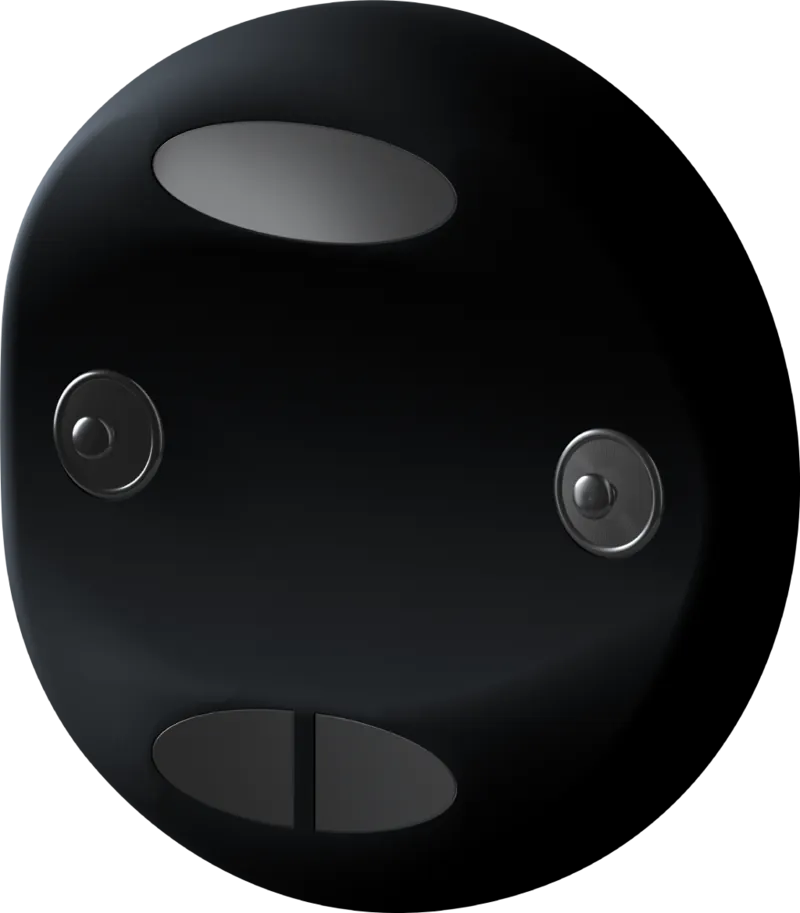
Both systems can collect chest physiology away from a phone. The practical difference appears when the study configures a session, retrieves recordings, and moves data into analysis or a custom application.
Aidlab 2
Attach the reusable Aidlab 2 module to a compatible electrode chest strap.
BIOPAC BioHarness
Fit the BioHarness sensorized strap or garment and attach its Zephyr BioModule.
Both are reusable chest systems, but the sensing contacts and wearable components differ.
Aidlab 2
Record supported ECG, respiration, EDA, temperature, motion, microphone, and GNSS data through the Aidlab workflow.
BIOPAC BioHarness
Use Bluetooth transmission for live viewing or configure BioHarness internal data logging for later download.
Confirm the exact stored channels and sampling configuration for either study protocol.
Aidlab 2
Integrate live and synchronized data into supported custom applications through Aidlab SDKs.
BIOPAC BioHarness
Download logged data through the cradle and use the licensed AcqKnowledge workflow documented by BIOPAC.
The decision is partly a software-stack choice, not only a sensor specification choice.
Every capability above links to the manufacturer documentation used.
Last reviewed
Official model-specific signals, form factor, intended use, and availability.
Official signal definitions, units, storage behavior, and SDK callbacks.
Official integration documentation for supported platforms.
Official signal channels, transmission and logging modes, AcqKnowledge workflow, and team-monitoring description.
Official BioModule hardware, ECG, acceleration, internal logging, download, battery, and connectivity specifications.
Official BioModule, strap, garment, charging, and download component descriptions.
Official documentation of available drivers, scripts, data formats, and supported developer resources.
Compare the required signals, recording mode, connectivity, and data path before choosing a device.