
Cardiac data
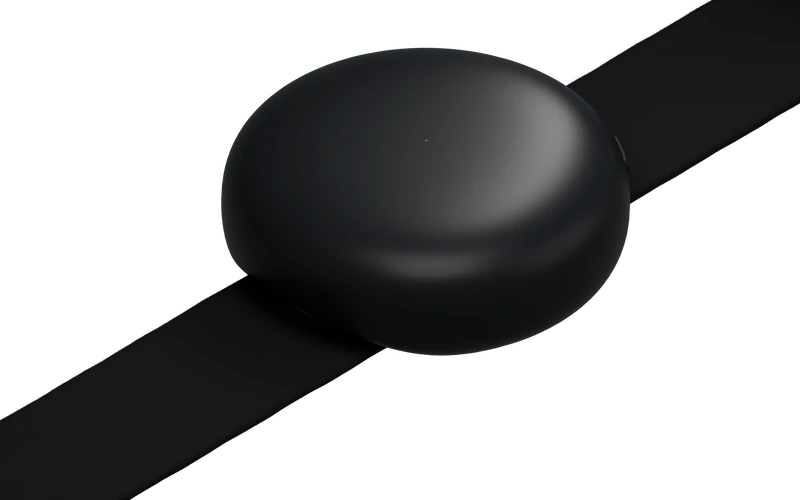
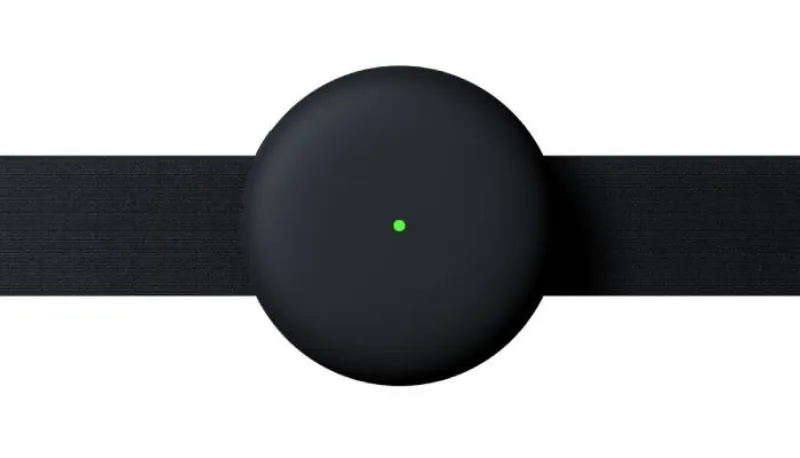
Aidlab
1-lead ECG at 250 Hz by default, plus heart rate and RR intervals
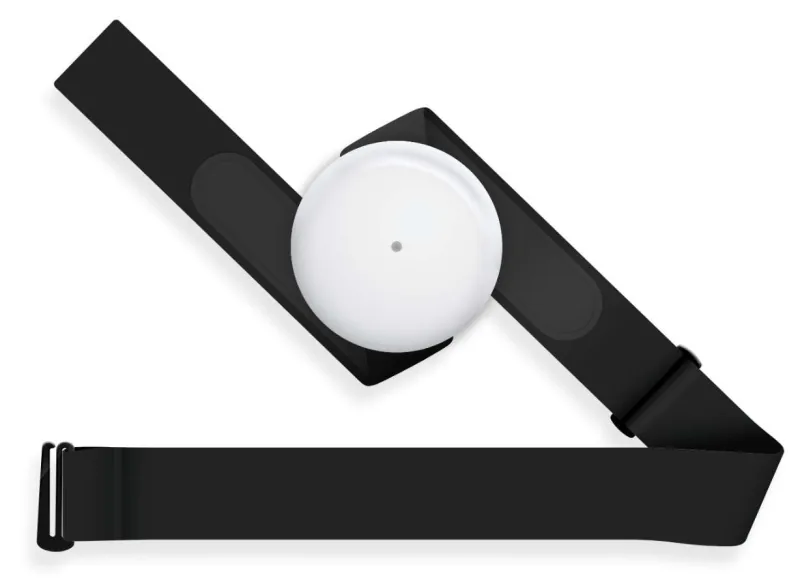
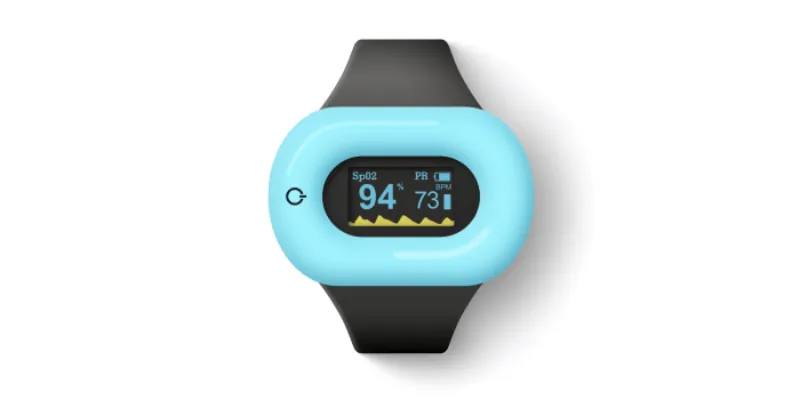
Garmin HRM 600
Heart rate and HRV; no ECG waveform is documented
Garmin HRM 600 sends heart rate and HRV to Garmin watches and sports equipment. Aidlab gives your own code raw ECG, breathing, skin temperature, and 9-axis motion.
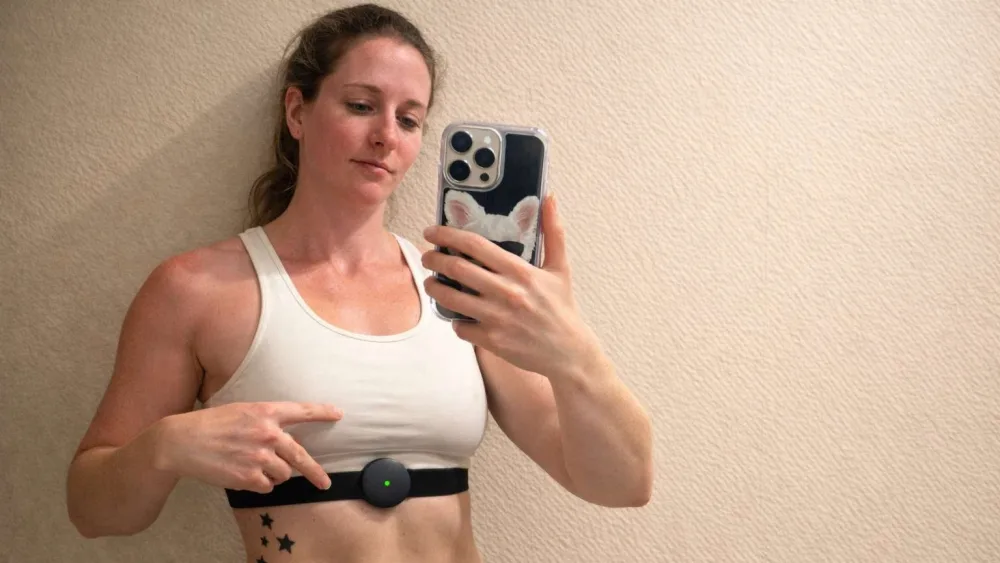
What each manufacturer documents for these models.
| Signal | Aidlab | Garmin HRM 600 |
|---|---|---|
| Raw ECG | 1-lead, 250 Hz, configurable up to 1000 Hz | Not listed |
| Heart rate and HRV | Heart rate and RR intervals | Yes |
| Respiration | Waveform and rate | Not listed |
| Skin temperature | Yes | Not listed |
| Motion | 9-axis and body position | Running dynamics from torso motion |
| Recording without a phone | Selected signals, up to about 8 hours | Heart rate, up to 24 hours |
| Developer access | Python, Android, Apple, Flutter, Unity SDKs | Connect IQ apps on Garmin watches |
| ANT+ | Not listed | Yes |
| Battery | Up to 48 hours | Up to 2 months at 1 hour a day |
| List price | From $399 | $169.99 |
Chest-strap heart-rate monitor with a detachable module
This decision guide is Aidlab's interpretation of the documented capabilities below.
Garmin builds a training accessory for its own ecosystem. Aidlab builds a sensor for your software. Pick by where the data has to go.
Each row lists what the manufacturer documents. Garmin publishes no ECG waveform, respiration, or skin temperature for HRM 600.
| Criterion | Aidlab | Garmin HRM 600 | Editorial interpretation |
|---|---|---|---|
| Cardiac data | 1-lead ECG at 250 Hz by default, plus heart rate and RR intervals | Heart rate and HRV; no ECG waveform is documented | |
| Respiration and temperature | Respiration waveform from chest impedance, respiration rate, and skin temperature | Neither is listed for the strap | |
| Motion | Accelerometer, gyroscope, magnetometer, and body position | Torso motion for running dynamics such as cadence and ground contact time; raw acceleration for developers is not documented | |
| Recording without a phone | Selected signals stored internally, up to about 8 hours, synchronized later | Stand-alone heart-rate recording for up to 24 hours | |
| Developer access | SDKs for Python, Android, Apple platforms, Flutter, and Unity | Connect IQ on Garmin watches; the Garmin Health SDK supports watches, not heart-rate straps | |
| Battery and connectivity | Rechargeable, up to 48 hours; Bluetooth LE | Rechargeable, up to 2 months at an hour a day; ANT+ and three Bluetooth connections |
Aidlab
1-lead ECG at 250 Hz by default, plus heart rate and RR intervals
Garmin HRM 600
Heart rate and HRV; no ECG waveform is documented
Aidlab
Respiration waveform from chest impedance, respiration rate, and skin temperature
Garmin HRM 600
Neither is listed for the strap
Aidlab
Accelerometer, gyroscope, magnetometer, and body position
Garmin HRM 600
Torso motion for running dynamics such as cadence and ground contact time; raw acceleration for developers is not documented
Aidlab
Selected signals stored internally, up to about 8 hours, synchronized later
Garmin HRM 600
Stand-alone heart-rate recording for up to 24 hours
Aidlab
SDKs for Python, Android, Apple platforms, Flutter, and Unity
Garmin HRM 600
Connect IQ on Garmin watches; the Garmin Health SDK supports watches, not heart-rate straps
Aidlab
Rechargeable, up to 48 hours; Bluetooth LE
Garmin HRM 600
Rechargeable, up to 2 months at an hour a day; ANT+ and three Bluetooth connections
Garmin documents HRV but not raw RR-interval output from the strap itself. Connect IQ exposes beat-to-beat intervals to apps running on a Garmin watch.

Both straps record heart activity from the chest. The difference is who can read the signals afterwards.
Aidlab
SDKs for Python, Android, Apple platforms, Flutter, and Unity deliver samples with timestamps.
Garmin HRM 600
Connect IQ apps run on Garmin watches. The Garmin Health SDK lists watches, not heart-rate straps.
Garmin data reaches developers through a watch; Aidlab connects straight to your app.
Aidlab
Selected signals go to internal memory, up to about 8 hours depending on the variant, then sync.
Garmin HRM 600
Stand-alone heart-rate recording for up to 24 hours, synced to Garmin Connect.
Garmin records longer; Aidlab can store waveforms, not only heart rate.
Aidlab
Connects to compatible smartwatches and apps over Bluetooth LE.
Garmin HRM 600
ANT+ without a connection limit, three Bluetooth connections, and Garmin watches and Edge computers.
For bike computers and gym equipment, Garmin is the better-connected strap.
Every capability above links to the manufacturer documentation used.
Last reviewed
Official model-specific signals, form factor, use cases, and availability.
Official signal definitions, units, storage behavior, and SDK callbacks.
Official integration documentation for supported platforms.
Official published sampling rates, resolution, and measurement ranges.
Official storage behavior and hardware-version limits for Aidlab 1.
Official ECG sampling-frequency options and their effect on other signals.
Official specifications, connectivity, battery, and US list price.
Official stand-alone recording workflow and its 24-hour limit.
Official description of torso-motion running metrics.
Official supported devices and data types.
Official watch-side API for beat-to-beat intervals.
Compare the required signals, recording mode, connectivity, and data path before choosing a device.