
Endomondo shut down in 2020. Here is how Strava, MapMyRun, ASICS Runkeeper, Aidlab and Zombies, Run! compare in 2026, and what you can still do with your old Endomondo workouts.
Endomondo stopped working on 31 December 2020. Almost six years later people still search for it, usually because they want a similar app or hope to get their old workouts back. Here's what's left of that history and what the alternatives look like in 2026.
Can you still get your Endomondo data?
Not from Endomondo. Under Armour let users move their data to MapMyRun until 15 February 2021 and deleted the remaining data after 31 March 2021.
If you downloaded your archive back then, you can still upload the workouts from it. Strava, ASICS Runkeeper and MapMyRun accept GPX, TCX and FIT files. Runkeeper handles the largest batches, up to 100 files at a time on its website, but only for activities with GPS data. Strava takes 25 files at a time on a subscription and 15 without one. MapMyRun accepts one file at a time.
Strava
Strava is the most popular choice and has the most social features: a feed of friends' workouts, clubs and segments. Segments are stretches of route where you compete for the fastest time, and the full leaderboards come with the paid subscription. The subscription also adds route planning, offline maps and more detailed analysis.
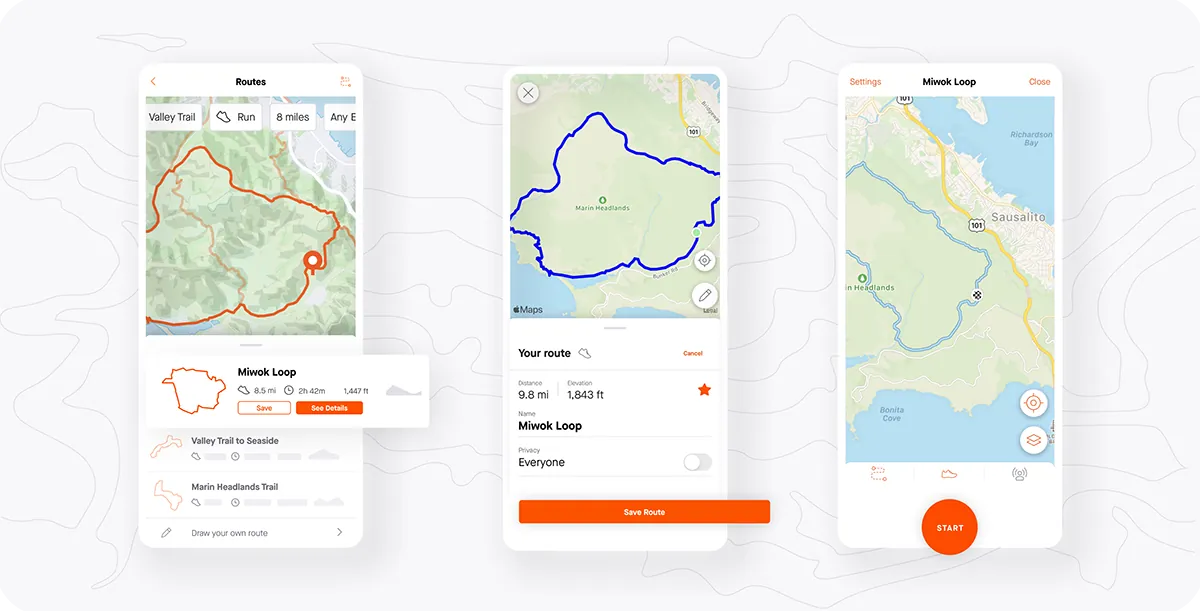
Screenshot: Strava, App Store
Strava connects to Bluetooth heart rate monitors and syncs with Apple Health and Health Connect.
MapMyRun
MapMyRun was Endomondo's official successor. Both belonged to Under Armour, which sold MapMyRun to Outside in 2024. The free version tracks running, cycling and walking with GPS. The paid MVP plan adds training plans from 5K to marathon, more detailed audio coaching, heart rate zones and live tracking.
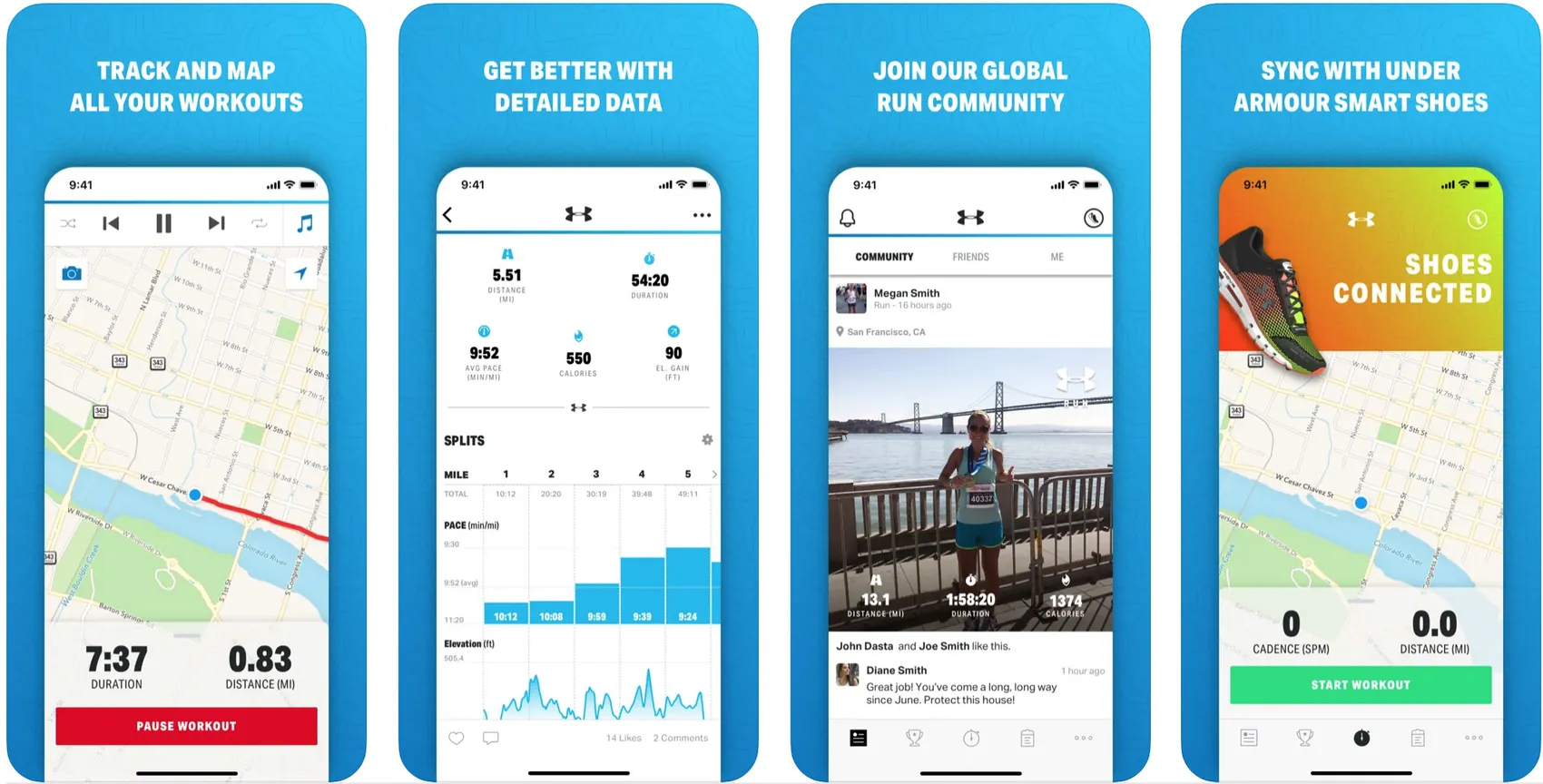
Screenshot: MapMyRun, App Store
MapMyRun works with Bluetooth heart rate monitors, Apple Health and Garmin.
ASICS Runkeeper
Runkeeper now belongs to ASICS. It's a straightforward running app with voice updates on distance, pace and time. The paid Runkeeper Go plan adds race training plans, the full set of guided workouts and more detailed reports.
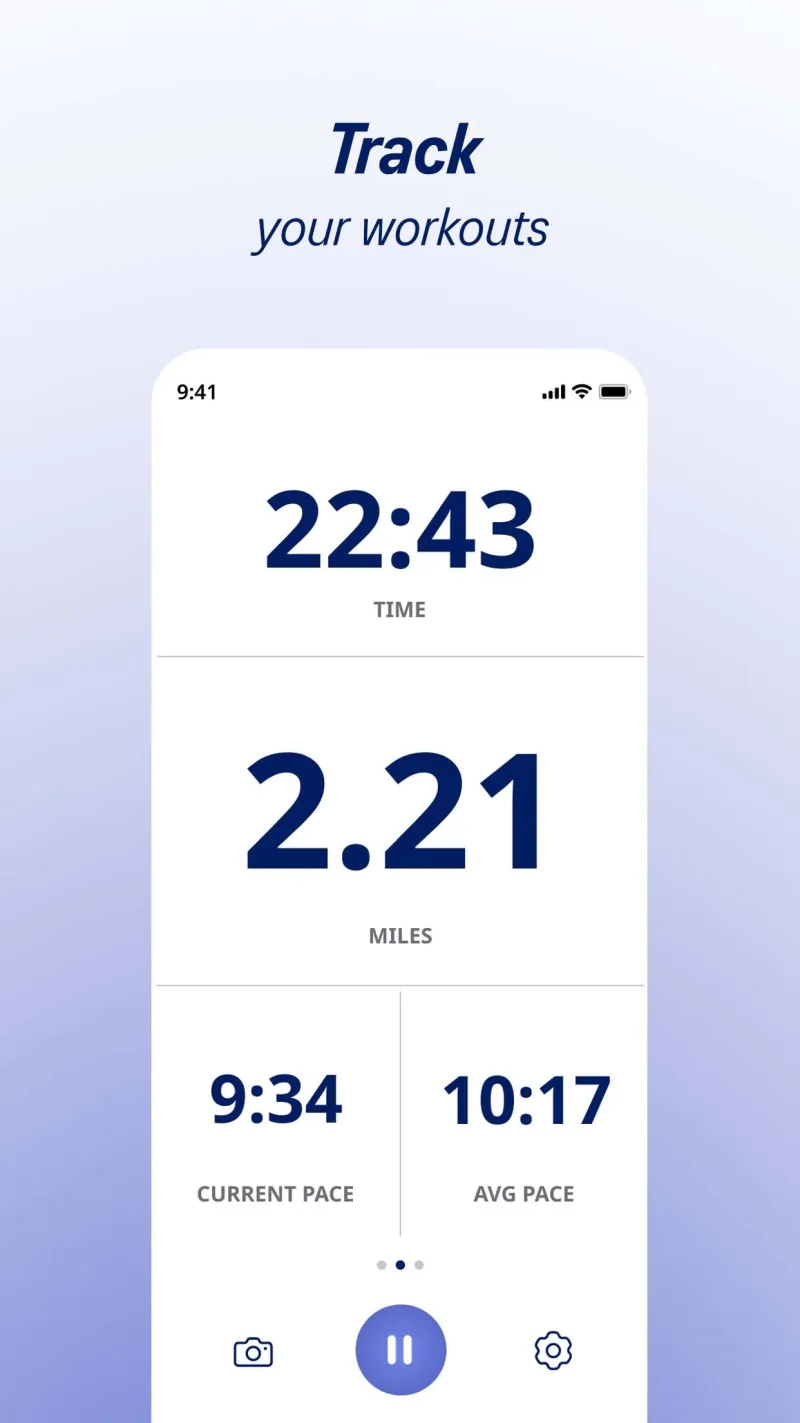
Screenshot: ASICS Runkeeper, App Store
It pairs with Bluetooth heart rate monitors, but records heart rate only for outdoor workouts with GPS.
Aidlab
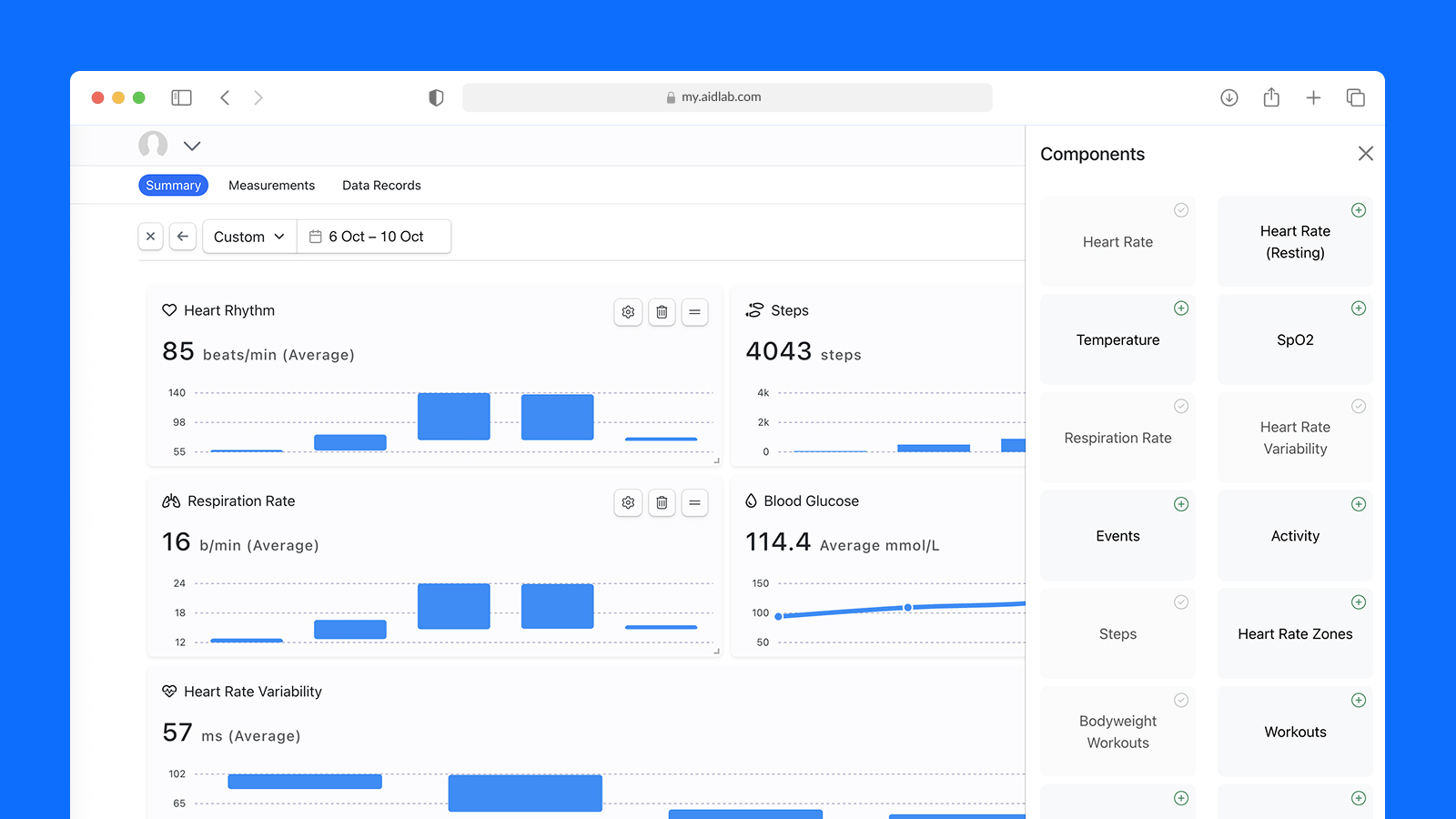
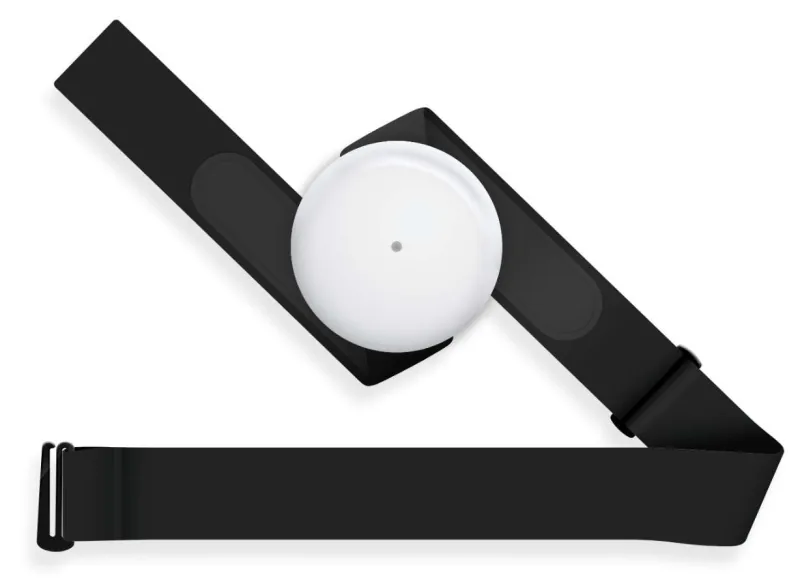
The free Aidlab app records your run with the phone's GPS: the route on a map, distance, pace and splits. It's built around the Aidlab chest strap, which adds heart rate and time in each zone. If you keep the strap on after the workout, the app shows how quickly your heart rate drops. You can choose which tiles appear on the workout screen and in what order.
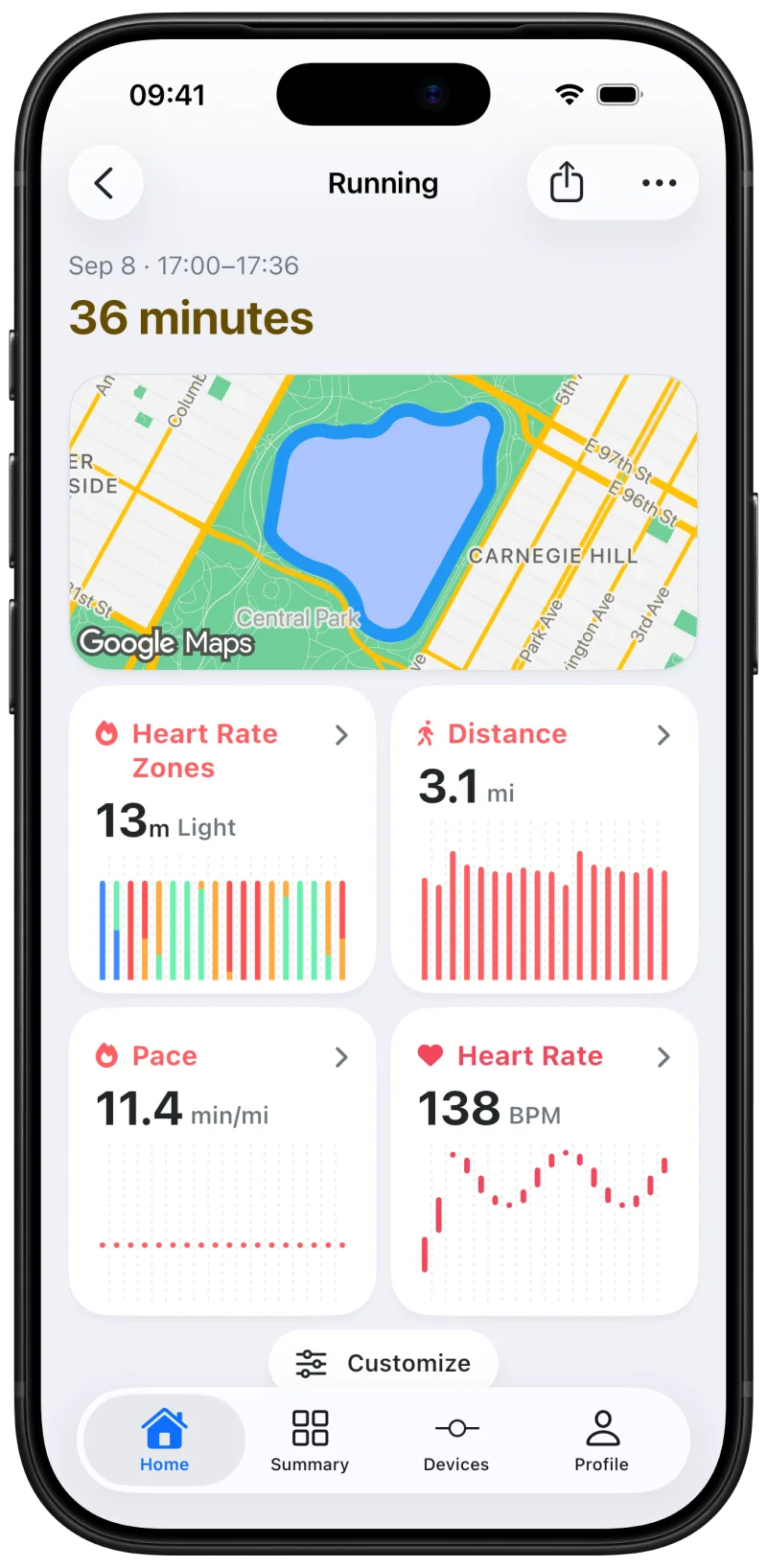
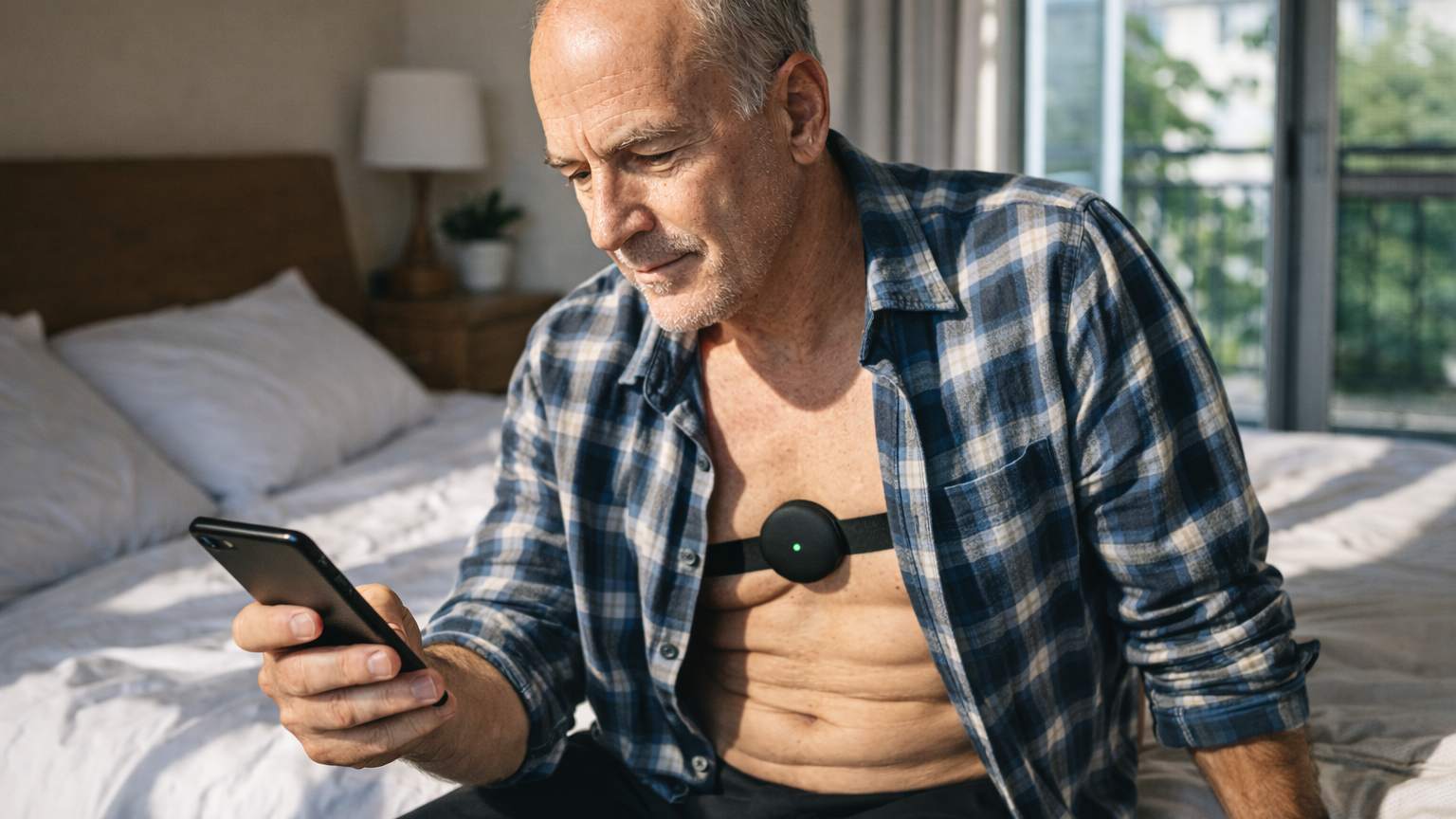
A chest strap reads heart rate from the heart's electrical signal, so it usually keeps up with intervals and sprints better than an optical sensor on the wrist. We explain why in chest strap vs wrist heart rate monitor. The strap also records breathing and skin temperature, and the app works with Apple Health and Health Connect.
If you'd rather record in Strava, the strap works there as a Bluetooth heart rate monitor. The Aidlab app doesn't import old Endomondo archives.
Zombies, Run!
Zombies, Run! is a game rather than a tracker. Every run is an audio story mission: you run, listen to the plot and escape zombies. There are more than 500 missions, and you can run them on a treadmill too. Naomi Alderman, the novelist who co-created the game, bought it back in 2025 and keeps adding new stories.
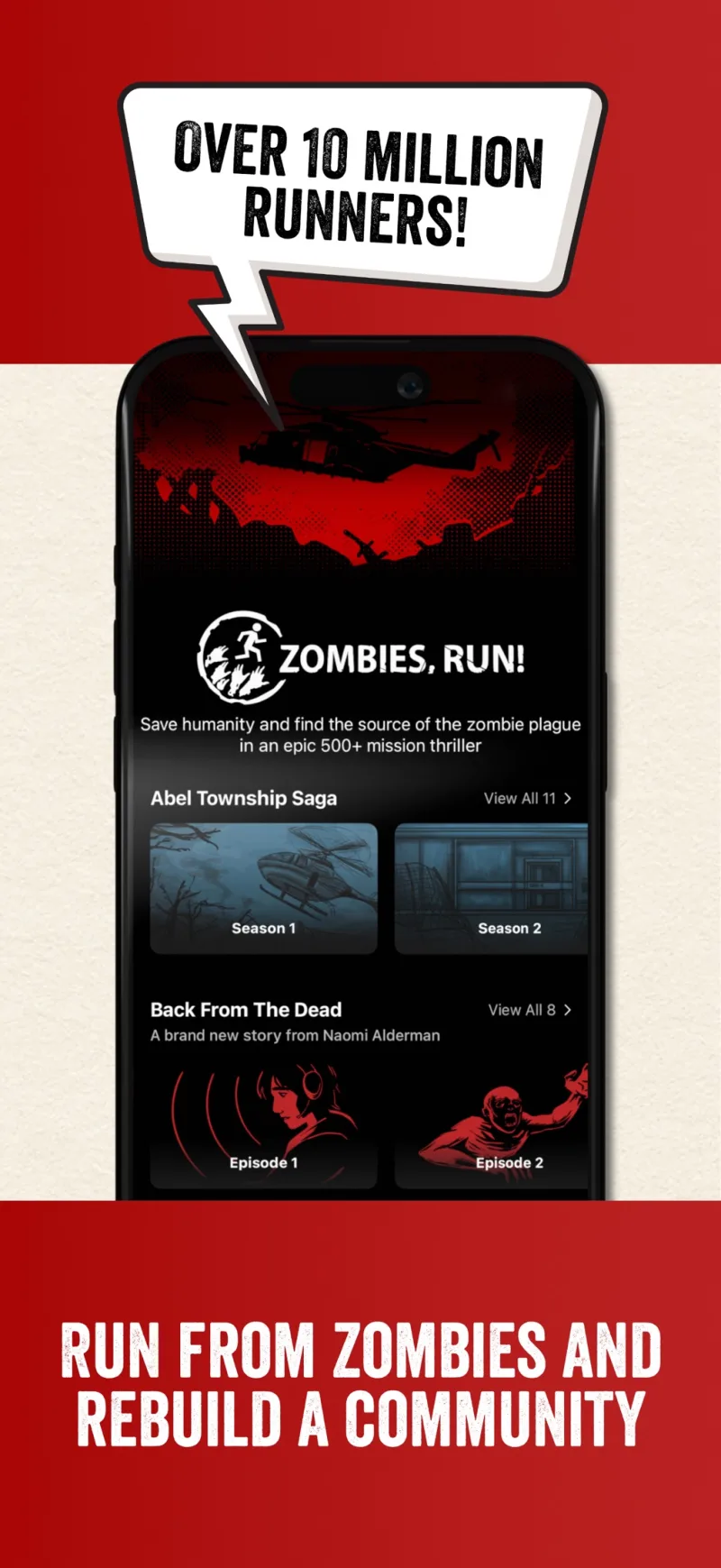
Screenshot: Zombies, Run!, App Store
Zombies, Run! doesn't work with heart rate monitors and doesn't sync workouts with other apps. It's a good extra source of motivation, but not a replacement for Endomondo.
Which one to choose
If you want what Endomondo did best, a social feed and competing with friends, go for Strava. If you're moving an old archive, Runkeeper will be the easiest. If you train by heart rate, use a chest strap: the Aidlab app adds zones, heart rate recovery, breathing and skin temperature, and the strap also works as a heart rate monitor in Strava.
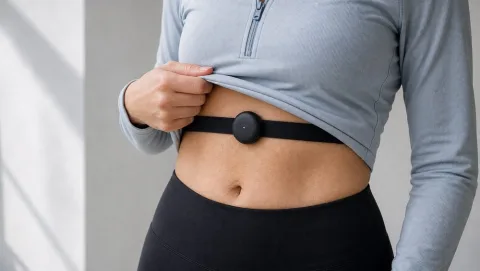
Record your own data with Aidlab
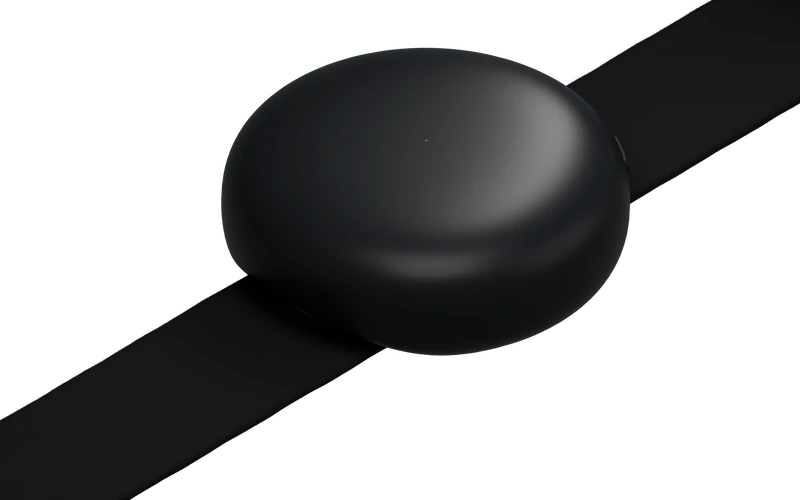
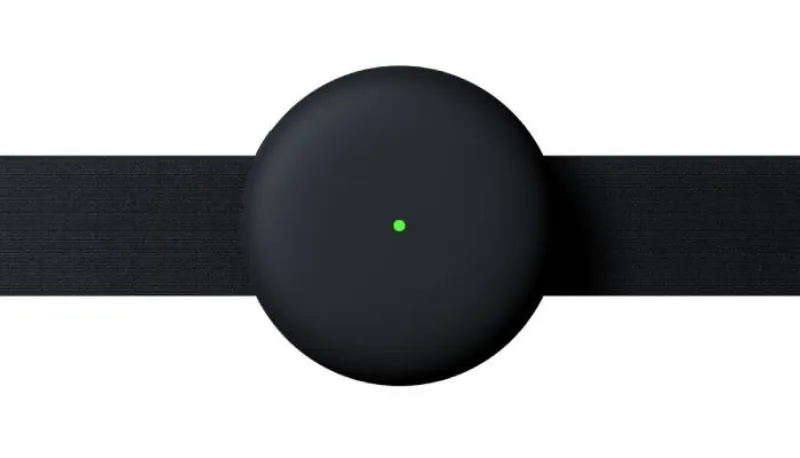
Aidlab records ECG, breathing, skin temperature and movement from your chest and sends them to your phone.