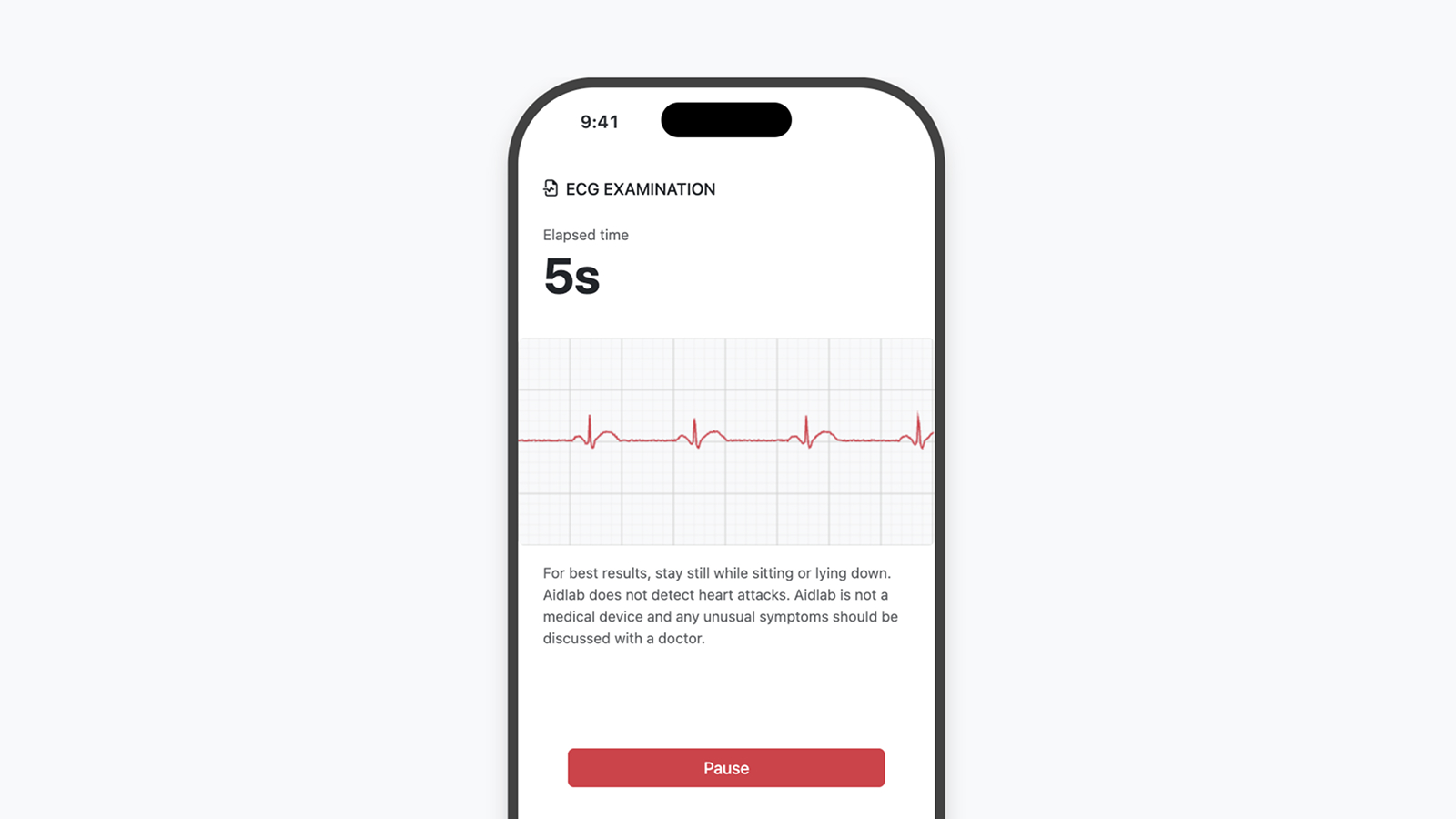


Chest straps use electrodes; wrist monitors use optical PPG. Compare accuracy, comfort, HRV, and common artifacts to choose the right heart-rate sensor.
For workouts with rapid changes in intensity, an electrode chest strap will often give you a more stable heart-rate trace than an optical wrist monitor. A wrist device is usually easier to wear all day and can work well during steady exercise. The better choice depends on the activity, fit, and data you need.
Short answer: choose a chest strap when beat-to-beat timing, intervals, or ECG-derived HRV matter. Choose a wrist monitor when all-day convenience and general heart-rate trends matter more.
Chest strap vs wrist heart rate monitor: quick comparison
| Chest strap | Wrist monitor | |
|---|---|---|
| Measurement | Electrical signal detected by chest electrodes | Optical pulse signal measured with PPG |
| Rapid changes in effort | Often follows changes more consistently | Performance varies by device, fit, and activity |
| Beat-to-beat data and HRV | Suitable when the device exposes reliable RR intervals | Usually reported as a device-derived metric; method and access vary |
| Everyday wear | Requires a separate fitted strap | Usually easier to wear throughout the day |
| Common artifacts | Dry electrodes, weak skin contact, strap movement, electrical noise | Motion, loose fit, pressure on the sensor, changing skin perfusion |
Neither format wins in every situation. A well-fitted wrist monitor can perform well during steady movement, while a dry or loose chest strap can produce poor data.
How do chest strap and wrist heart rate monitors work?
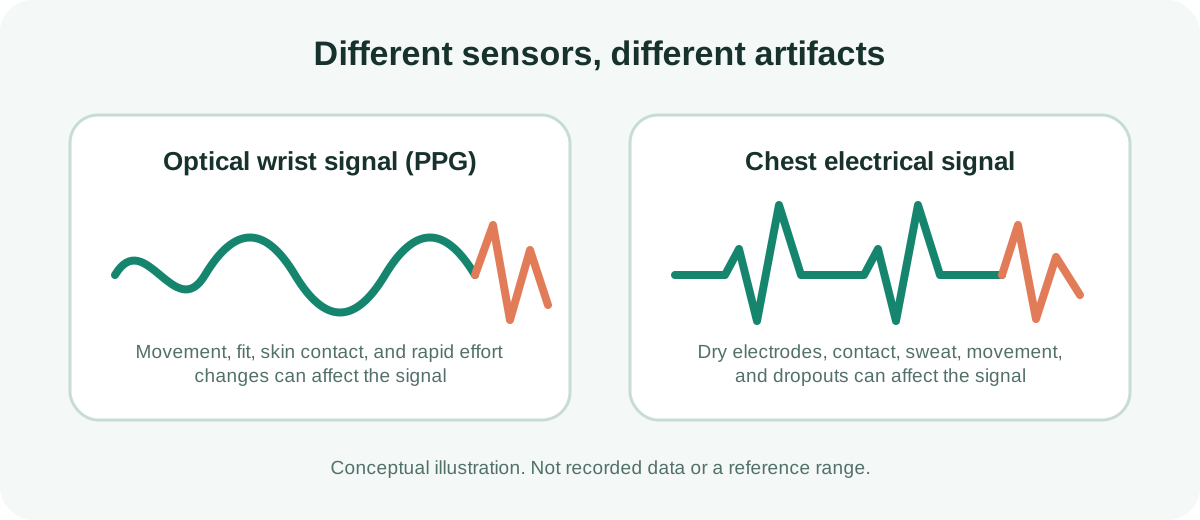 Both sensing methods can be affected by artifacts; this is a conceptual illustration, not recorded data.
Most wrist wearables estimate pulse with photoplethysmography, or PPG. LEDs illuminate the skin and a detector measures changes in reflected light as blood volume changes with each heartbeat. Movement, loose fit, pressure on the sensor, and rapid changes in effort can interfere with that signal.
An electrode chest strap measures electrical activity at the skin. Because it detects the timing of the heart's electrical signal directly, it can respond quickly to beat-to-beat changes. It is still sensitive to poor contact, dry electrodes, strap movement, and electrical noise.
Are chest strap heart rate monitors more accurate?
In a 2017 study of 50 healthy adults exercising on a treadmill, stationary bike, and elliptical trainer, Polar H7 had the strongest heart-rate agreement with ECG: a concordance correlation coefficient of 0.996, compared with 0.92 for the tested Apple Watch. These are agreement coefficients, not percentages of accurate readings. The results describe those devices and activities, not current watch models or Aidlab. Read the study on PubMed.
A separate study in cardiac rehabilitation found the same Polar chest strap had the best agreement with ECG among the tested wearables, with a concordance coefficient of 0.99. Results from the wrist devices varied by model and activity. Read the study.
The practical conclusion is narrower than "chest straps are always more accurate":
- electrode chest straps often track heart rate more consistently during exercise;
- optical wrist sensors can still be accurate, especially during steady movement and with a good fit;
- neither sensor is immune to artifacts;
- results from one tested model cannot be transferred to another product without its own validation.
When do beat-to-beat timing and HRV matter?
Heart-rate zones are most useful when the sensor follows changes in effort without long delays. During intervals, a cleaner trace makes it easier to compare work and recovery periods. Electrical measurements also provide the RR intervals used to calculate heart-rate variability, or HRV.
HRV is sensitive to recording conditions. Posture, breathing, time of day, recent exercise, alcohol, illness, and signal artifacts can all affect the result. Compare measurements taken under similar conditions and focus on trends rather than a single score.
What Aidlab 1 adds to a standard heart-rate strap
Aidlab 1 is a chest-worn wellness and research device. It records a 1-lead ECG signal and derives heart rate, RR intervals, and HRV. It also records breathing patterns, skin temperature, movement, and body position. These synchronized signals can help you review how your body responded during training, rest, or sleep.
Longer recordings provide more context than a short spot check, but they do not diagnose disease. Aidlab 1 is not a medical device and its ECG reports do not replace a clinical ECG or interpretation by a qualified professional. If you have chest pain, fainting, severe shortness of breath, or another urgent symptom, seek medical help instead of relying on a wearable.
Skin temperature also needs careful interpretation. A chest sensor measures temperature at the skin, not core body temperature. Changes may reflect the environment, clothing, contact, and exercise as well as physiology. Do not use a wearable skin-temperature reading to decide whether it is safe to continue exercising in heat.
Review Aidlab 1, see Aidlab 2, or compare the measurement setups in Aidlab vs Polar H10.
Which heart rate monitor should you choose?
Choose a chest strap when:
- you train with intervals or rapid changes in intensity;
- you want beat-to-beat intervals or ECG-derived HRV;
- you need a continuous chest signal for research or detailed review;
- your wrist sensor regularly loses the signal during your activity.
A wrist wearable may be the better choice when:
- comfort and all-day convenience matter most;
- you mainly want general heart-rate trends during steady activity;
- its performance is already reliable for your sport and fit.
Whichever format you choose, tighten it according to the manufacturer's guidance, inspect poor-quality segments before drawing conclusions, and compare trends under similar conditions. Better placement can improve the data, but no wearable turns a noisy signal into a medical diagnosis.
Common questions
What does a heart rate monitor chest strap do?
Electrodes in the strap detect the electrical timing of each heartbeat. A compatible module turns that signal into heart rate and may also provide RR intervals, HRV, or an ECG waveform, depending on the device.
Is a chest strap always more accurate than a wrist monitor?
No. Validation studies often favor electrode chest straps during exercise, but accuracy is specific to the tested device, activity, fit, and reference method. Both formats can produce artifacts.
Do you need a chest strap for steady running?
Not necessarily. If a wrist monitor gives you a stable trace during steady runs, it may be sufficient. A chest strap becomes more useful when your watch loses the signal, follows effort changes slowly, or you need beat-to-beat intervals.